
Time as a Measure of the Image
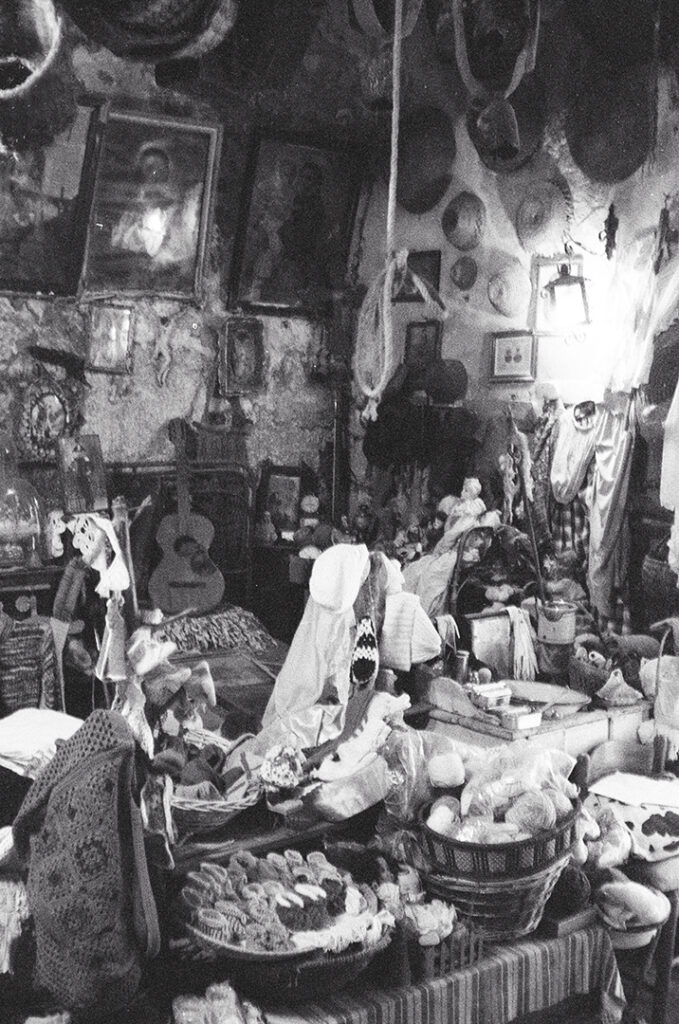
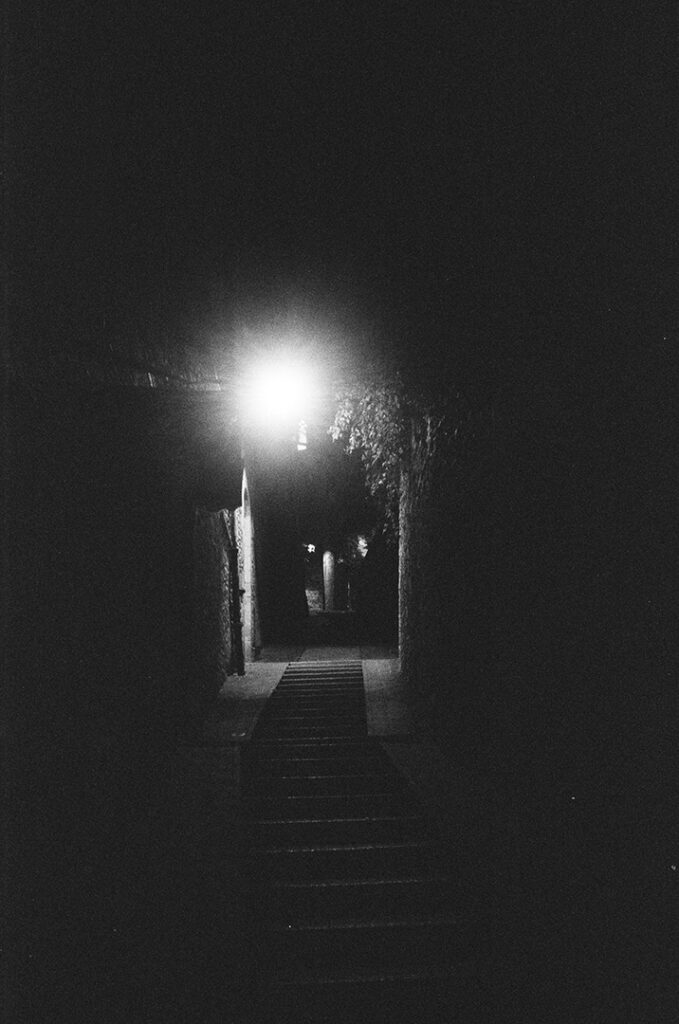
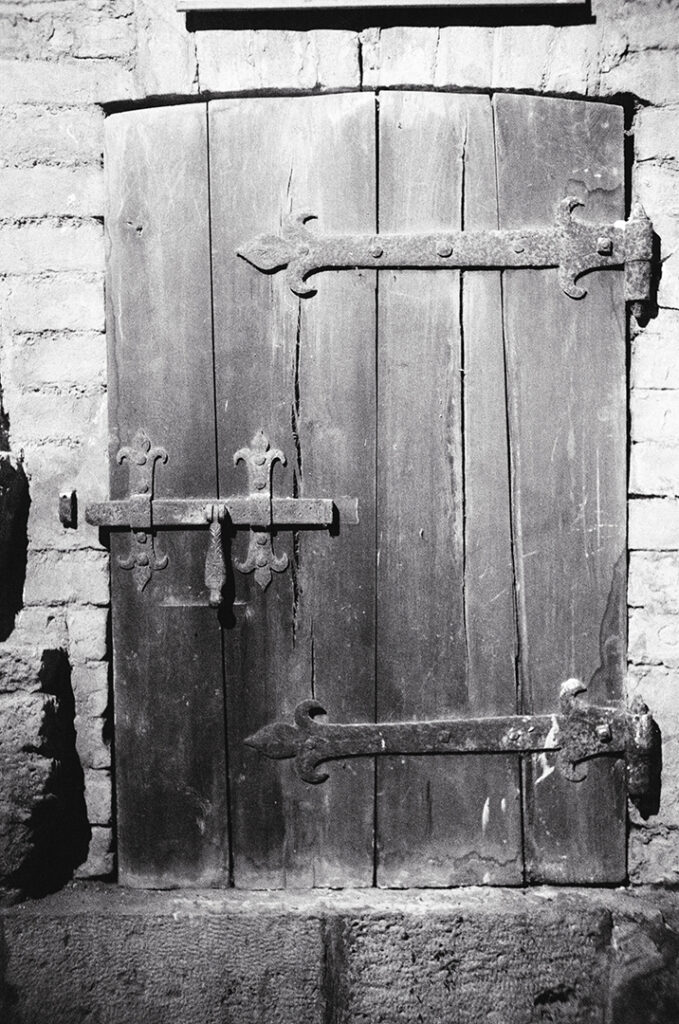
During my last summer break, I chose to strip away every digital comfort, taking with me only an old Minolta Hi-Matic and a roll of Ilford HP5 Professional 400 film I found in a drawer, expired for a couple of years.
The choice was not an aesthetic whim, but a necessity: I wanted to face the same challenges as photographers before the digital era, who did not have the luxury of immediate control.
Photographing without seeing the result is an exercise in humility, decision-making, and anticipation that places the author back at the center of the creative process.
The Tool and the Unexpected
The Minolta Hi-Matic, combined with film no longer conforming to factory standards, introduced an element of unpredictable instability.
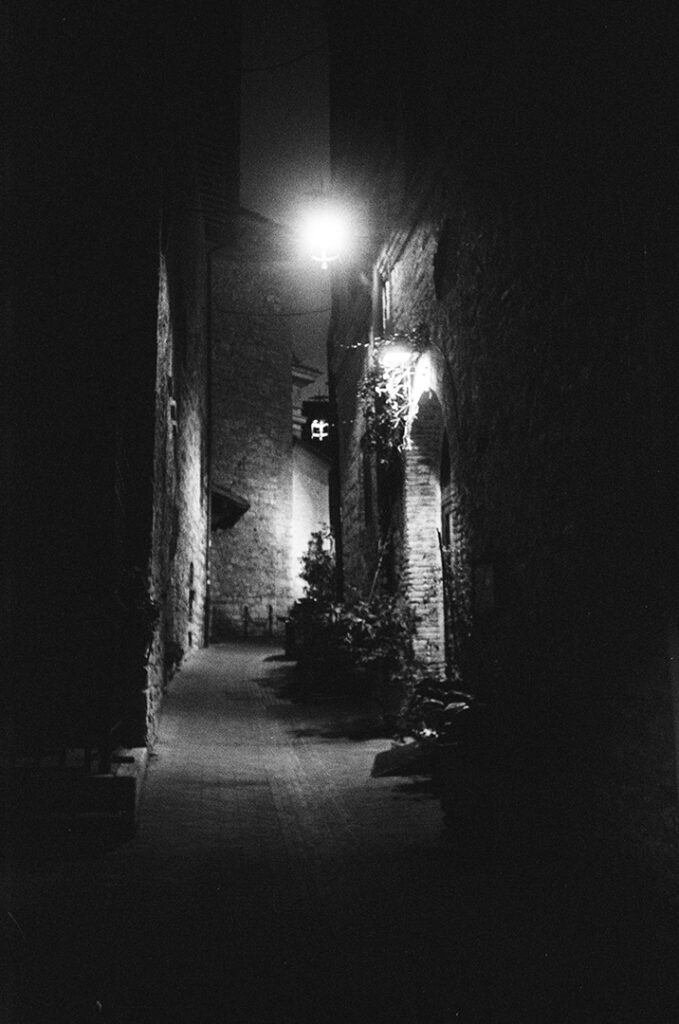
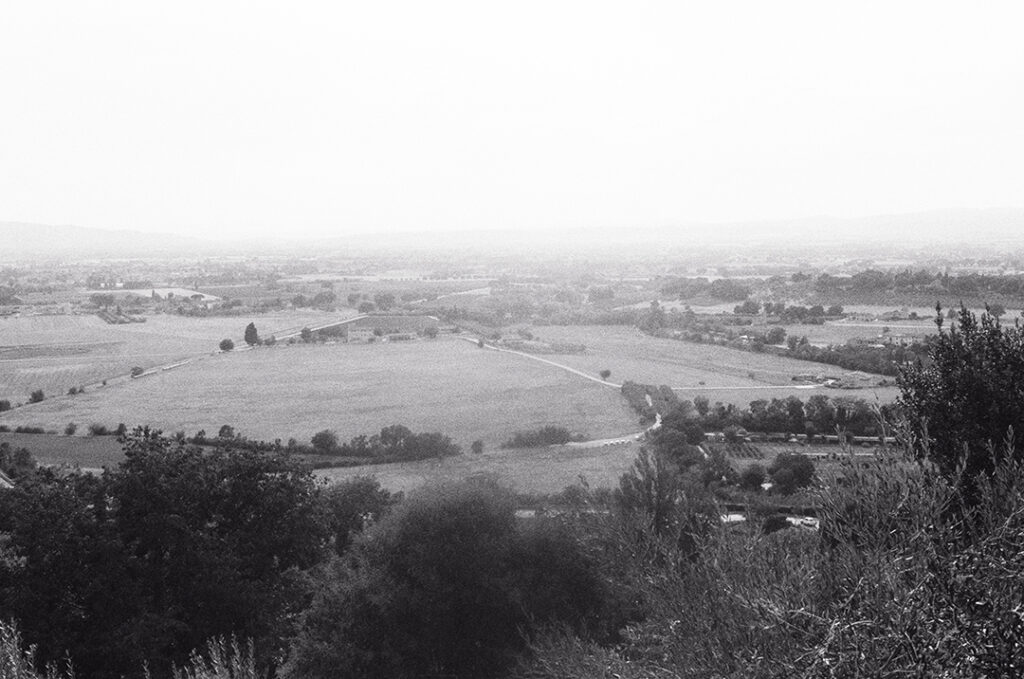
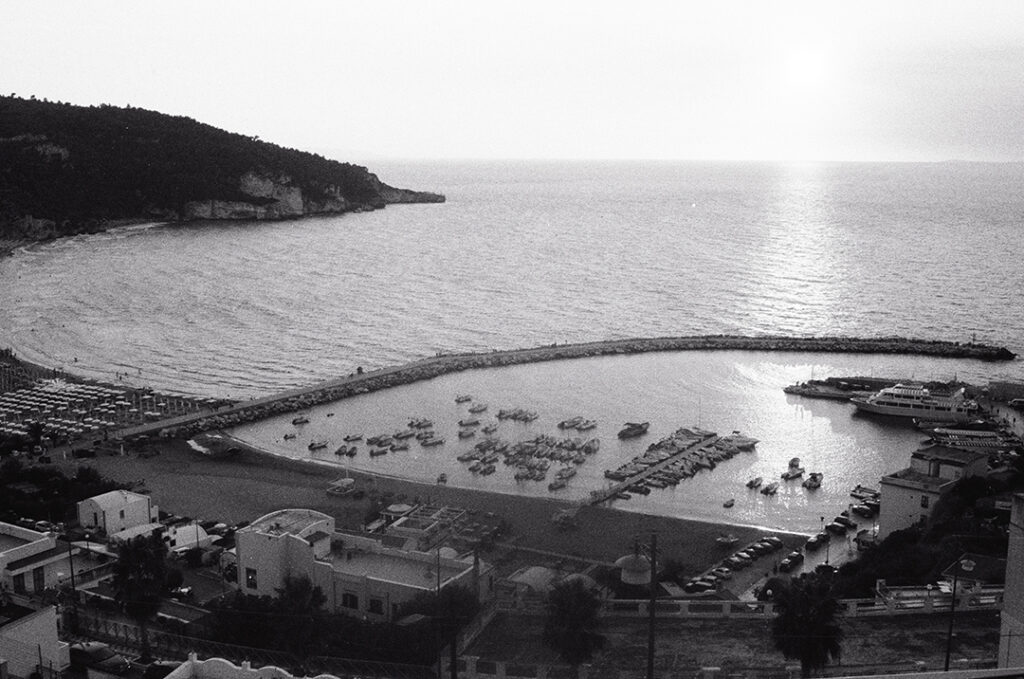
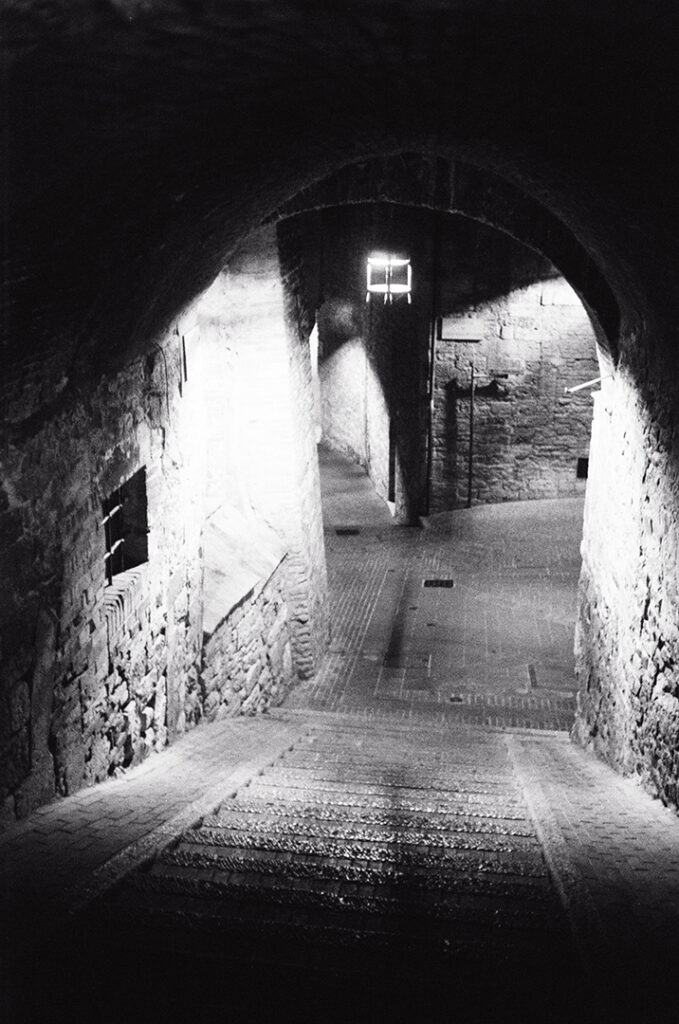
I tested this setup at 360 degrees, ranging from the nocturnal urban geometries I am so fond of, to narrow alleyways, rural landscapes, and the harsh light of the beach.
I wanted to see how the chemical unpredictability would react to radically different lighting conditions, forcing me into a purely instinctive management of the scene with absolutely unpredictable results.
My Gaze, My Intervention
After development and scanning, the result of those years spent in a drawer showed a somewhat “mushy” effect, especially in the low lights and deep blacks. I therefore performed a slight adjustment of the curves in post-production. Nothing invasive, merely to bring the blacks back into the correct spectrum.
Some might argue that modifying an analog shot in post-production is a betrayal. Initially, I was conflicted too, but then I realized that it is the exact opposite: it is the closing of the circle.
If the expired chemistry altered reality, my intervention on the levels is not a manipulation, but an act of visual restoration, aimed at returning the image to my original intention. The medium is analog, but the gaze remains mine. I am not seeking a vintage effect; I am seeking the consistency of my own language.
The Paved Road
Today, technology offers a privileged path. We often forget that the pioneers of photography did not have the luxury of taking a hundred frames to get one good one, something I never do, even when shooting digitally.
Today, with AI and digital tools, the risk is confusing ease of execution with the quality of the vision. The challenge of returning to analog reminded me that every shot must have weight, a reason, and a necessity.
It was not merely a nostalgic journey into the past, but a way to recalibrate my view of the present. Photography, even in its most technological form, remains an act of subtraction and selection.
Knowing how to handle the unpredictability of an expired roll of film teaches more than a thousand automated settings. It is in these conditions of limitation that we discover whether what we hold inside is truly a vision, or merely a mastery of our tools.
— Simone Zeffiro